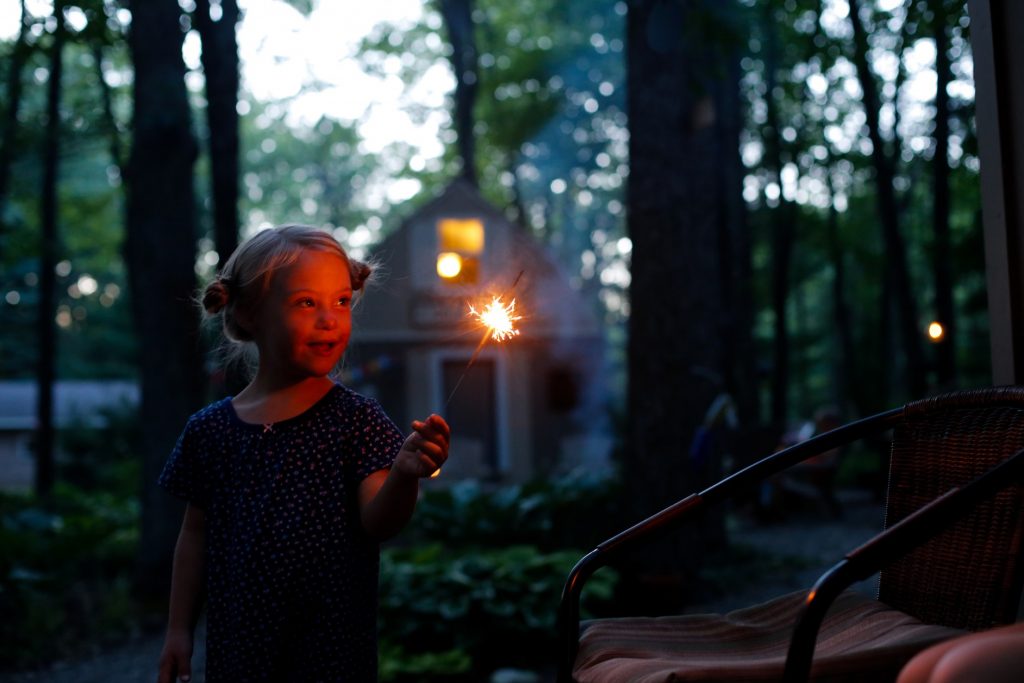
Happy Monday! With school beginning for so many of us (we start this week), I thought it would be a good opportunity to share a little bit about sending kids with special needs to school and what we’ve learned these past few years through supporting Nella in school and advocating for her education. If you are a parent with a child with special needs getting ready to send your sweet nugget to school for the first time and you are anything like I was, you’re terrified. In fact, from the moment Nella was born, sending her to public school was my biggest fear. One of the most powerful things I’ve done to help support Nella though is changing my perspective about what sending her to school means.
 When she was tiny, my perspective was rooted in loss, scarcity and fear. I saw it as sending my child who needed me more, who might get made fun of, who might feel different, who might have trouble making friends, who might struggle to fit in, into a big sea of kids for seven hours where I’m not there to help her or protect her. Just reading that sentence makes me tense up. And while all those things are understandable real fears, this is how I look at it now, and–let me tell you–this perspective has ignited a fire in me and made me so excited to send her off into the world: I get to share this amazing child with this community. I get to walk her into school and introduce her to new friends who I know are going to learn so much from her and fall in love with who she is. I get to see the power of inclusion again. I get to be part of educating her teachers, her peers and their parents about Down syndrome and the incredible ways people with Down syndrome learn and contribute to their world. I get to learn more this year and work with all these educators on the best ways that Nella learns, and we are going to be stretched in beautiful creative ways in doing so. And here’s the exciting part…we have target goals! In years past, educating kids with Down syndrome involved fuzzy instructional outcome goals because educators didn’t believe they’d be able to read or go to college, their futures mostly meant living with their parents, and their education basically involved keeping them busy. But now we know differently. We have specific instructional goals–target bulls-eyes which means our arrows aren’t flung willy-nilly into the void. I get to walk my child into school every day so that she can learn and build relationships for all the same reasons her classmates show up–to prepare them for their futures and to open up their world of opportunities. This is exciting!
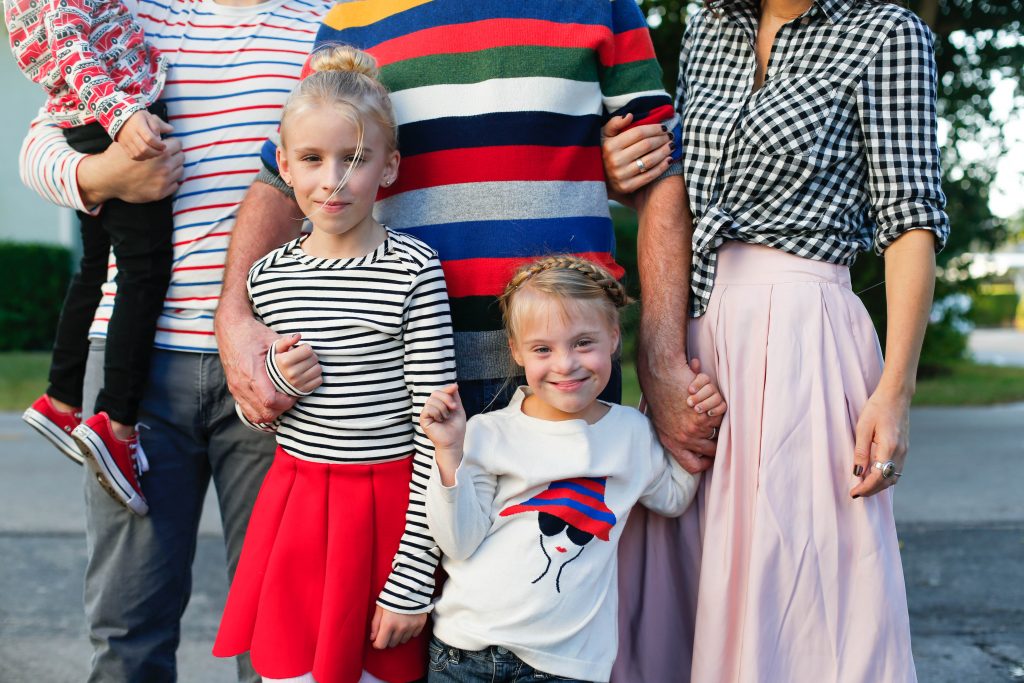
 Feeling scared and worried is totally normal, but so many things I worried about never ever happened. In fact, out of all three kids, Nella is the one I don’t worry about this year. She’s most excited about going back, and walking her into school never fails to comfort all those scared little voices inside and has brought me to tears many times because of how much she is loved. Students run to hold her hand–students I’ve never even seen before. “NELLA!” She is known, she is seen, she is supported, she is damn near getting a big head from all of this because sister gets so much attention at school.
The success we’ve experienced at school didn’t just land in our lap though. It has come from a commitment from both me and Brett as well as her team at school. It’s come from consistent communication, attention to behaviors, a willingness to try new things when current plans aren’t working, access to and implementation of resources, and lots of patience. And it will continue to require that commitment and communication. A few things I’ve learned that have helped and some reminders as we start the new year:
Stay Open and Let Your Child’s Needs Always be the Focus
One of the greatest things about the special needs community is that it forms a village–so many great voices sharing advice, support, sharing resources, etc. But remember, what works for one child might not work for your child, and you know your child best. Special needs forums and Facebook groups can be helpful support for navigating the educational world, but don’t get so lost in following advice and checking off the “shoulds” that you don’t pay attention to the specific needs and behaviors of your own child. You will write your own book, and you will write it well!
Request Homework
This didn’t pertain so much to kindergarten for Nella, but in first grade when other students had homework, Nella noticed and wanted it too. Even if it’s a different assignment from what the other kids are doing, the routine of doing homework is an important one, and Nella took great pride in being part of it. We also found that getting a jumpstart on the next day’s activities worked well for homework. So if we had the opportunity to read the guided reading book and talk about it at home the day before she was going to read it in class, it paved the way for a more productive lesson for her the next day.
Educate the Community about Capability
I love to share stories about the capabilities of adults with disabilities with Nella’s team, and it’s a great reminder of what we are all working toward. I want them to know about the college students I’ve visited who have Down syndrome, about the girl with Down syndrome who has a part-time job with benefits working at the front desk at a doctor’s office and about the stories I’m reading and hearing about that involve opportunity and high standards. You’d be surprised how many professional educators I still meet who “love, love, love” kids with Down syndrome but still refer to them a bit patronizingly as “precious little angels” and talk about their goals only in terms of life skills.
Get Involved in the Special Needs Classroom
Nella’s regular inclusion classroom where she learns next to her peers who develop typically is vital to our goals for her and the ultimate goals of inclusive education for all kids; but her pull-out classroom where she receives one-on-one instruction and learns next to other kids who have special needs is important too, and those educators and classrooms often don’t have the same kind of community and support that regular classrooms do. To be honest, I was so gung-ho inclusion in the beginning partly because the special needs classroom scared me. I didn’t want Nella in there. I didn’t give that part of her education the love it deserved. I’ve realized how much both classrooms are so important for her learning. At our school, parents are very involved in the typical classrooms, room moms to go the moon to make things special, and teachers are so well-loved in terms of gifts and support during holidays and class projects. Because of the smaller class size and logistics of the special needs classrooms, I’ve made it a point to commit to helping create that same kind of community and celebration in Nella’s other classroom where there aren’t as many students. I want that teacher to feel the same love as the other teachers in the school and for that classroom to feel the same kind of community and celebration.
Educate the Kids
This is my favorite part, and I think it’s been very influential in creating Nella’s amazing community of students and friends who love, support, include and understand her. We advocate for communication about differences and we want Nella’s class to know about Down syndrome and specific ways they can help her. Adults sometimes assume that kids are naturally good-hearted and inclusive and think they are doing a good thing by not talking about obvious differences because “why point it out if they don’t notice,” but here’s the thing–they do notice. Kids notice skin color and hair color and scars and wheelchairs and the fact that some kids have trouble speaking. They notice at a very young age who can read really good, who has trouble, who’s super fast in P.E. and who is last to finish. They are observant little sponges, perhaps far more aware of the world around them than their grown predecessors who are staring at their phones. When there’s an obvious difference and no one is addressing it, kids can interpret the silence as “it must not be something we talk about because it’s shameful.” Knowledge is power, and presenting my child’s difference in the way I want them to be perceived–which is exactly what it is–a few things that make her unique among a sea of things that make her like everyone else (see also: humans in general)–leaves no time or space for kids to form their own misconceptions or to assume, by no mention of it, that the subject of disability is something to be whispered about in private, and it’s not.
Get your mitts on, moms. You’re going in. Schools will naturally protect confidentiality regarding your child’s disability, so if you want it talked about, you’re going to have to ask. I go one step further and actually write out an entire script and hand it to Nella’s teacher–all the things I want the kids to know like what Down syndrome is, why Nella leaves the classroom sometimes, what Nella’s good at and how they can be great friends. We ask that this be done on the second week of school (after a week of getting to know her), and we have Nella out of the classroom during this conversation (we might have her be the one to lead it someday, but for now this feels right). This year, we are having Nella’s resource room teacher be the one to talk to Nella’s regular classroom because she knows Nella so well and is so passionate about advocacy and inclusion. Every year, this conversation leads to friendships, better support and a whole classroom full of little advocates who feel lucky to be her champions.
I’m reposting the script we wrote (we adjust it a little every year) if anyone wants to use it as a springboard in creating your own conversation in the classroom.
 INTRO: Things that make us different. (Ask students: Can you roll your tongue? Does anyone have any birthmarks? Freckles? Do you know anyone with allergies or asthma?) There are lots of things about our bodies and minds that make us unique, and many of these things are with us since before we were even born. Some of these things we inherit from our moms and dads and some things we have on our own.There’s a friend in our classroom who has something special that makes her unique. Our friend Nella has something called Down syndrome. Down syndrome is not a disease. It’s just part of who she is and what makes her different just like having different hair color or a special birthmark or allergies make other friends unique.
WHAT IS DOWN SYNDROME? Down syndrome is not a bad thing or something to be sad about! It’s just one thing that makes Nella different. She can do pretty much everything everyone else in this room can do–she can TALK and RUN and PLAY WITH FRIENDS and DANCE and LEARN TO READ and WRITE STORIES and MAKE ART, but because of the way Down syndrome makes bodies work, it might take her a little longer to do these things, and she may need a little extra help from teachers and classmates.You might not always be able to understand her and sometimes her school work might look a little different, but she is trying her very best and is proud of her work just like you feel proud of your work when you work hard. Nella loves to learn and watches and listens to everything around her. Anyone who loves to learn and is open to new things around them is VERY SMART. Sometimes Nella will have a special teacher with her or she might leave the classroom to go to another class where she learns. She loves both of her classrooms and is very proud of the things she’s doing in these classrooms.
SIMILARITIES: Even though Nella might learn to do things a little slower and needs extra help, she is JUST LIKE YOU!
*She loves to swim (she’s REALLY good at swimming) and play outside
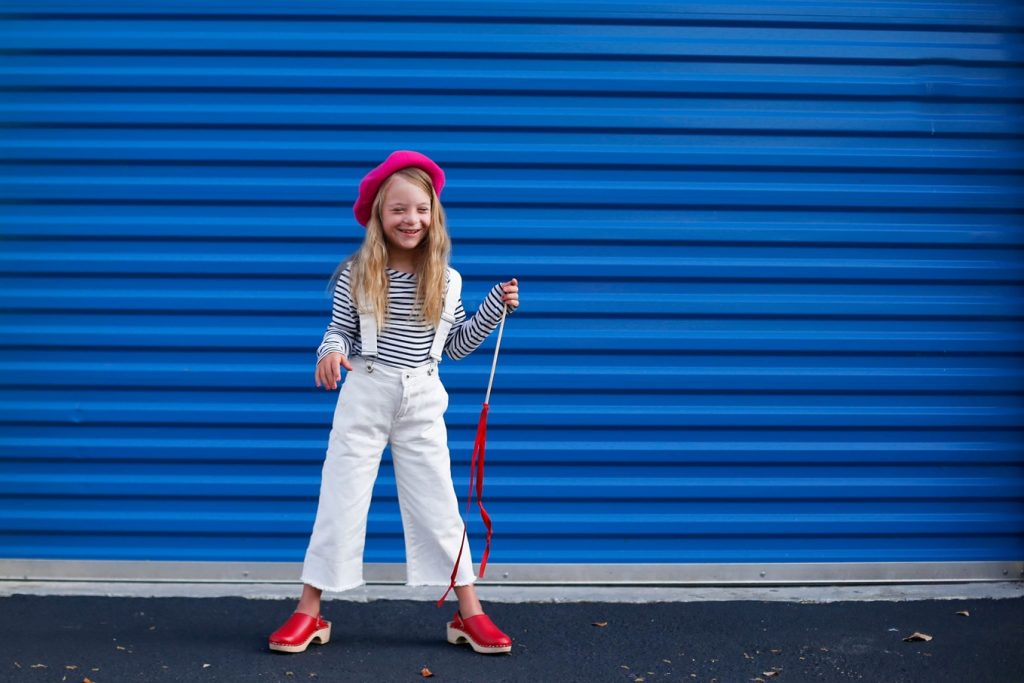
*She loves to play with ribbon wands and Barbies
*She is really good at playing games on her iPad
*She LOVES music
*She likes watching shows on Nick Jr. and Disney and YouTube slime tutorials
*She has lots of friends and loves to play with them. She loves sleepovers and parties with her classmates.
*She loves babies. She’s really good at holding them.
*She went to Michigan this summer and swam, rode on boats, took a horse ride
*She likes long skirts
*Nutella and sour gummy worms are her favorite foods.
WHAT CAN YOU DO TO HELP NELLA AND BE HER FRIEND?
Sometimes when everyone around you is doing something that is very hard for you to do, it can make you feel bad or alone. We all have times when we feel this way, and we all have different things that are hard for us. WE NEED OUR FRIENDS to support us, help us and remind us that we are all an important part of the group. This classroom depends on everyone working together, this school needs everyone to look out for each other, and the whole world works best when we are kind to each other. Remember what it feels like when things are hard for you to do, and think about what makes you feel better.
* You can offer to help Nella with things that are hard for her, but try not to do things for her if she can do it herself. She loves to be independent and do the same things her friends are doing.
* Even if she doesn’t say as much as you do, still talk to her! She understands you perfectly.
* You can play with her at lunch and recess and make sure she knows her friends love being with her.
* If you can’t understand things Nella says, be patient with her and ask her to repeat it or ask the teacher to help you understand her.
* Be a cheerleader. Sometimes if things seem hard to Nella, she may want to shut down and not try. Be a cheerleader and remind her, “YOU CAN DO IT, NELLA! JUST TRY YOUR BEST.”
* Compliment a job well done! Nella loves to be recognized by her friends for her hard work. If you see she worked hard on something and did her best, give her a high five or say “Great Job, Nella!”
WE ARE ALL DIFFERENT, AND NELLA ISN’T THE ONLY STUDENT WHO NEEDS EXTRA HELP OR LEARNS DIFFERENTLY.
Remember there are so many different kinds of learners at this school, and so many different kinds of kids in the world. When you see someone who looks different or acts and speaks different or learns different, it’s absolutely okay to have questions about their differences–feel free to ask your teacher and your parents about these differences! Most important, remember that we are more ALIKE than DIFFERENT. Every child shares the same feelings like:
*wants friends
*loves to be recognized for hard work and learning new things
*wants to feel included
*likes to contribute their talents and gifts to their friends around them
*wants to be treated the same as everyone else
THANK YOU FOR BEING SUCH GREAT FRIENDS TO EACH OTHER! NELLA LOVES BEING HERE AND LOVES ALL OF YOU. She will know all your names probably by the end of the week and will talk about you all year long.
Does anyone have any questions?
There are several children’s books that deal with disabilities and differences. I personally love the non-specific themes of acceptance and different-is-rad such as Not Your Typical Dragonand Elmer—fantastic springboards for expanding into themes of acceptance and compassion–but you can find some great lists of books on specific disabilities such as these Children’s Books About Disabilities or this Goodreads list on children’s books that introduce specific special needs themes.
We also know that maintaining friendships and encouraging social growth will take extra efforts on our part for Nella. Providing play opportunities after school, inviting people over, etc. is important. My friend Stephanie, several years ahead of us on this journey, hosts a backyard movie night every couple weeks to foster her teen son’s friendships.
If any of you have any great ideas on introducing these themes to classrooms or tips for fostering friendships and making connections at school, please share in the comments!
This is all a work in progress. But as Nella’s mom, I’ve got three jobs every day that I know I can do: show up, speak up, and dream up. Onward, friends.